SSP/CoNavigator (CN) Tool Kit
Resource Description
This tool kit was developed by a subcommittee of the SSP National Community of Practice (NCOP) facilitated by the Helen Keller National Center. Across the United States, there are many committees, task forces and individuals trying to establish SSP or CoNavigator programs. The process is more than a little daunting. Where to begin? Who can help? What has already been accomplished to make the process easier in these communities and states?
The Helen Keller National Center has created the SSP/CN Toolkit to guide states new to the process. In addition, there are a number of resources, links to existing legislation, sample program guidelines, and so much more. The goal is for everyone who desires these services to have access. These tools/resources are here to help.
Terminology
DeafBlind: Throughout this document, the term DeafBlind refers to a diverse population of individuals with varying degrees of combined hearing and vision loss.
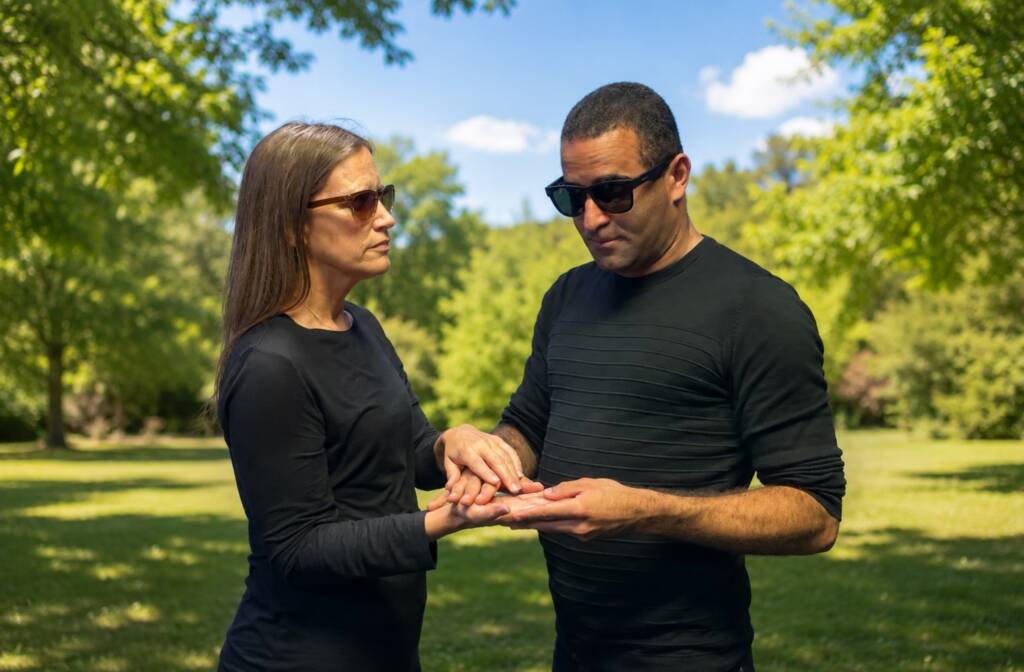
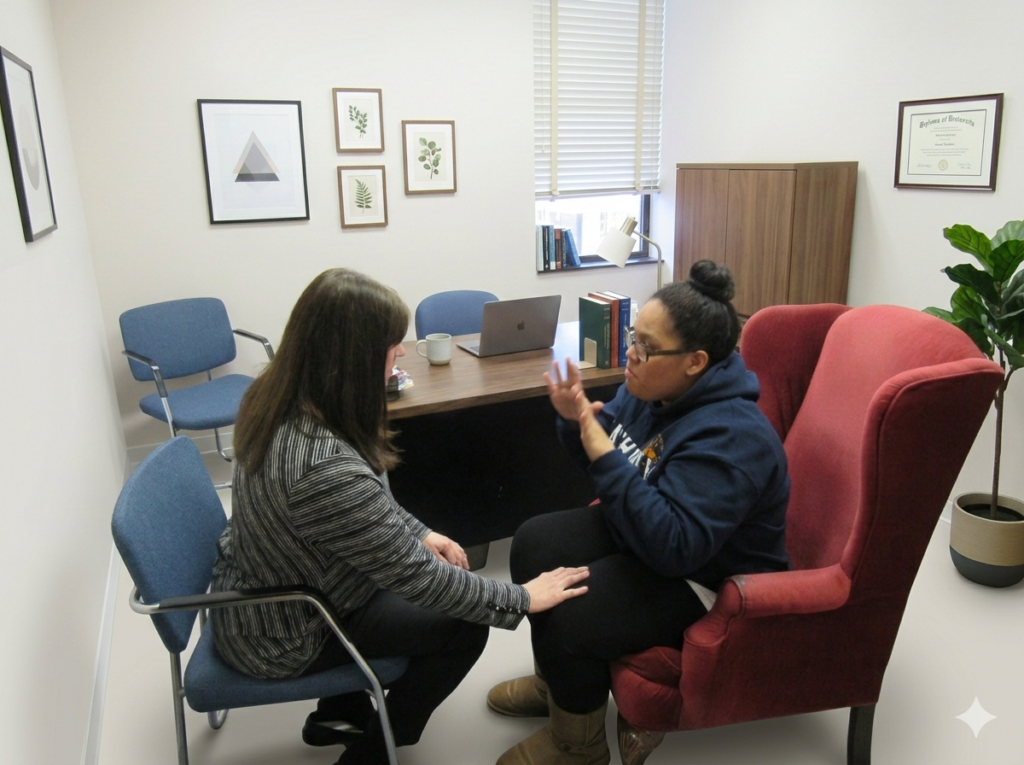
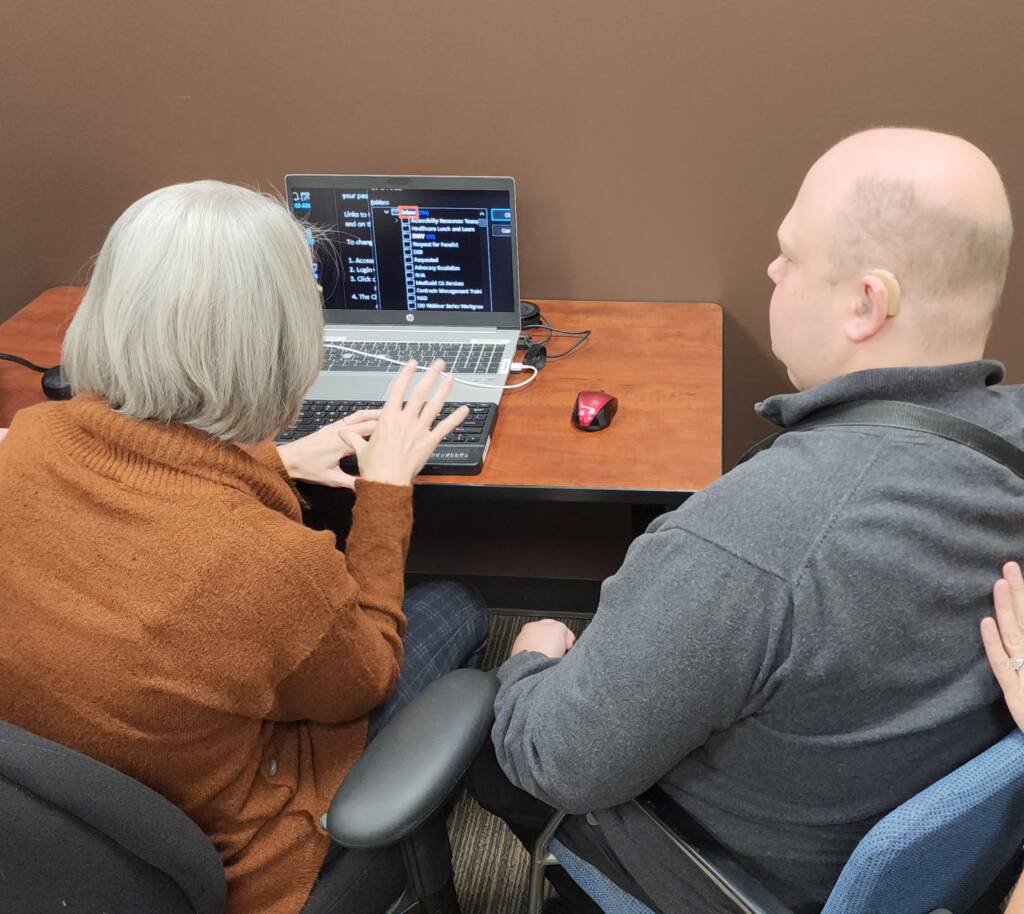
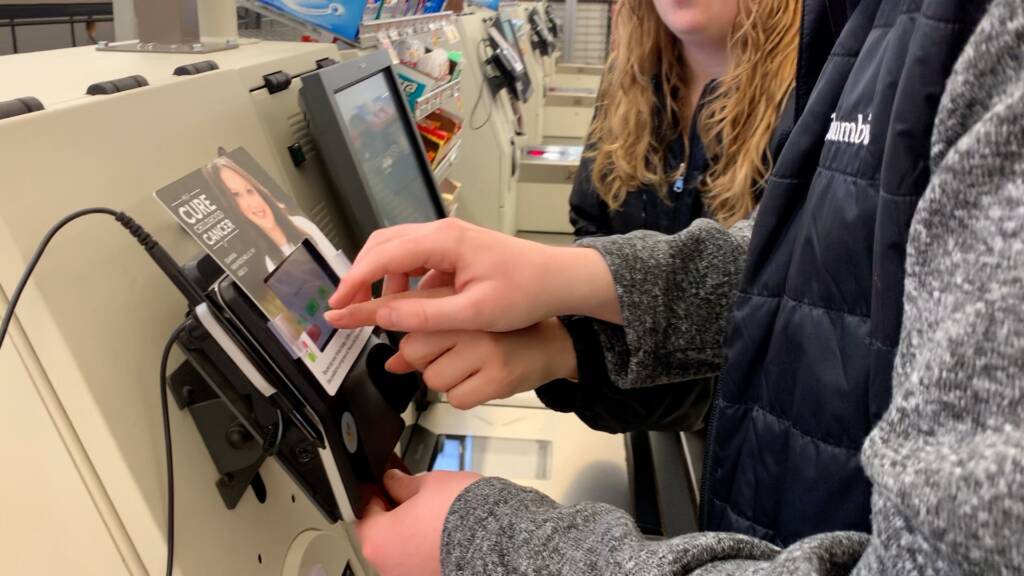
SSP/CN: HKNC would like to acknowledge that many programs and states are using different terms such as CoNavigator and Access Provider to identify the role of a person who provides access for an individual who is DeafBlind. This access allows the individual to make educated decisions and do for themself. It is essential to emphasize that this role of is not to care for or do for but rather simply provide access. The individuals in this role, whether referred to as SSP (Support Service Provider), CN (CoNavigator), or Access Provider must provide access using the preferred strategies and techniques of the DeafBlind individual they are working with. Therefore, it is particularly important for all providers to undergo specialized training encompassing all possible strategies and techniques to ensure that those in this role are equipped with the necessary skills and knowledge to effectively meet the unique needs and preferences of the DeafBlind individuals they work with.
In this paper, HKNC has chosen to use the term SSP/CN. However, it’s important to note that the terminology aligns with the understanding that the DeafBlind community may eventually reach a consensus on a universally preferred term. HKNC is committed to adapting and adopting the terminology agreed upon by the community.
HKNC acknowledges the importance of respecting the preferences of the DeafBlind community and is dedicated to supporting their decisions in determining the terminology that best represents this crucial role.
Introduction
Establishing an SSP/CN program either regionally or statewide can be a daunting task. There are many decisions to be made including what geographic area will be serviced, who will be served, how to identify funding, how the program will be coordinated, and how program participants and providers (SSPs or CNs) will be trained.
Where do you start? Who can help? This document can provide some insight into preferred practices that other states have used to successfully establish and maintain their SSP/CN program. It also provides references that will aid in gathering the right resources and connections to make it happen.
Gather information on the needs of the DeafBlind individuals in your state/region
Most of the states that offer SSP/CN services sought input from individuals who are DeafBlind residing in their state/region to determine their needs. This can be achieved through a statewide needs assessment, or less formally through town hall events, attending a local consumer organization meeting and/or having an open dialogue with members of the DeafBlind community about their support needs. Reach out to other states to see how they captured the needs of their DeafBlind individuals. Ask about accommodations that may be needed to encourage involvement such as interpreter support, transportation assistance, and accessible meeting locations with access to public transportation/bus line.
Learn about established guidelines and history of the role of the SSP
Originally authored in 2006 by the American Association of the DeafBlind (AADB) the SSP White Paper was revised in 2021 and provides updated information about key components of the role, what an SSP can and cannot do, training content for program participants and SSPs and how to recruit, train and maintain SSPs. This White Paper offers a thorough review of the history of SSP services and recommendations for furthering the profession.
Additionally, you can learn more about the role of an SSP, as well as the role of the DeafBlind person working with an SSP, through an accessible ASL SSP video series with multiple viewing formats.
Please see Sample Policies and Procedures document in our resource section.
Obtain a listing of the Active SSP and CoNavigator Programs in the United States
This listing has been maintained by the Helen Keller National Center since 2006. This does not imply endorsement but is provided for informational purposes only. Information within the document is self-reported by the SSP and CoNavigator program coordinators. The biannual listing includes program contact information, service area (metropolitan community or statewide), when the program was established, preferred terminology, funding sources, the number of participants receiving services, eligibility requirements, how the program handles transportation and the type of training provided.
It can be useful to find a neighboring state or program that is similar in structure to the one being considered. Contact those program coordinators with questions that could help move the process along in your state.
For more information on SSP/CoNavigator Programs in the United States, please refer to the “SSP CoNavigator Programs 2026” document under Additional Resources.
Establishing an SSP/CN program is only possible with DeafBlind advocacy
Involvement by people who are DeafBlind is essential for a successful outcome. Centers for Independent Living can be a resource to provide advocacy training and guidance when needed. Find the Independent Living Center near you.
There are many ways people who are DeafBlind can become involved in their state’s SSP/CN initiative. For example, if there is a bill introduced into the state legislature to create SSP/CN services, it is critical that people send letters and testify before the legislative committees. The legislators need to meet people who are DeafBlind and hear their personal stories. Legislators need to see the impact an SSP/CN could have on the lives of their constituents.
It takes time and planning to coordinate these types of events. One must consider arranging transportation, SSP/CN support, interpreter support, and at times, coaching individuals about their testimony. Some communities have an abundance of strong self-advocates and in other communities, these skills must be taught. This HKNC SSP Video Series describes several ways for people to advocate for SSP services.
The Helen Keller National Center offers Peer Learning Groups (PLGs) on the topic of “Advocacy in the DeafBlind World,” a 10-week virtual or in-person group facilitated by DeafBlind staff who work for HKNC. It is available at no cost to people who are DeafBlind. To find out when the next PLG is being offered, contact your HKNC regional representative.
Develop Connections
Identify leaders in the DeafBlind community as well as providers and organizations who support this community. Agency connections could include the state’s Commission for the Blind, Commission for the Deaf, Department of Human Services, statewide DeafBlind Task Force, etc. These connections may be case managers, vocational rehabilitation counselors, supervisors, or directors, who understand statewide systems and know people who can make the money flow to create a new service/program possible. They may also provide insight, suggestions or recommendations on running an efficient program.
There is much to consider when determining what organization will be best suited to coordinate the SSP/CN program in your area. Be aware of the possible options in your state including state agencies, non-profit organizations, interpreter referral agencies, or consumer organizations. Be open to creativity. Sometimes the entity needed to coordinate your state’s SSP/CN program may be a virtual company. The needs of the community and the information collected in the surveys/town hall meetings will drive this decision-making process and finding the right match.
Create Public Awareness
It is important to involve the media in every step of the process as events occur, new legislation is pursued, or funding is secured. Create press releases from your organization with photos and critical information. Inform local newspapers and television stations of events and ask that your story be included in their publication or news story. Even more important, ensure these stories are making their way to social media and share, share, share so that other members of the DeafBlind community and general public are learning more about the role of the SSP/CN and the importance in the lives of people who are DeafBlind.
Consider Funding Options
Funding for SSP/CN services throughout the country can look different depending on the program. Many states introduce bills into the legislature that establish SSP?CN services and once approved, seek funding through the governor’s budget. The process can be long, but if written correctly, ensures consistent annual funding rather than one-time funds or grant funding that are short-term in nature.
However, if the legislative climate is not conducive to passing new legislation, consider short-term funding for a pilot program to establish the need. Once the need is established, then hard statistical data can be gathered to justify the need for more ongoing service funds. Often in a state where no formal SSP/CN services occur, it is difficult to find DeafBlind individuals who can advocate for services. However, once people who are DeafBlind have been receiving services, they have the personal experience to advocate for continuing those SSP/CN supports. Short-term funding may include foundation grants, community-based grants at the local/county level, department of health, fundraising events such as golf tournaments, etc. Realize that some funding streams may apply only to certain subgroups of the DeafBlind community (people who use sign language, older DeafBlind adults, people looking for employment.)
Finally, once funding has been secured, some states have been able to supplement their regular source(s) with billing through the state Medicaid Waiver program. Each state runs their waiver programs differently, with different categories of services. Sometimes these programs are operated through independent living centers or managed care organizations. Waiver supports are similar to SSP/CN services, when provided to persons who are DeafBlind.
Please refer to the Additional Resources section to view sample legislative asks, Proposals and Bills.
Selecting the program coordinator is critical to the program’s success.
Select a coordinator who shares the values of the program participants, is visible in the community, and who is willing and able to develop and manage the program progressively, especially in response to program participant demands.
To identify the best person for the coordinator position, consider their duties: establishing policies and procedures with community input, recruiting SSPs/CNs, training SSPs/CNs and program participants, overseeing services, and problem solving. If the program coordinator is DeafBlind, job accommodations may need to be considered.
There are two strategies regarding program coordination. One is that the coordinator manages all aspects including scheduling SSP/CN assignments. With the second approach, a list of eligible, trained SSPs/CNs is provided to the eligible, trained program participants to schedule their own SSP/CN requests. This way the person can secure the service with their preferred providers. The details of the assignment are relayed to the program coordinator to process the billing and payment. Likewise, participant and SSP/CN training may be contracted to qualified people within the state or nationally. The needs of the community will best determine the managerial style of the program.
There are many wonderful examples of quality SSP/CN programs and services in the United States. Examine the needs of your community to identify the best program model for your program participants. Consider these preferred practices to excel your state’s process of establishing an SSP/CN service.