Connected by Touch: Announcing the 2026 DeafBlind Awareness Week Campaign
Helen Keller National Center announces the 2026 DeafBlind Awareness Week campaign theme: Connected by Touch: Breaking Barriers, Building Bridges. Download proclamation templates now, and explore what's coming this spring — including the national awareness poster, professional fact sheets, webinars, and more.
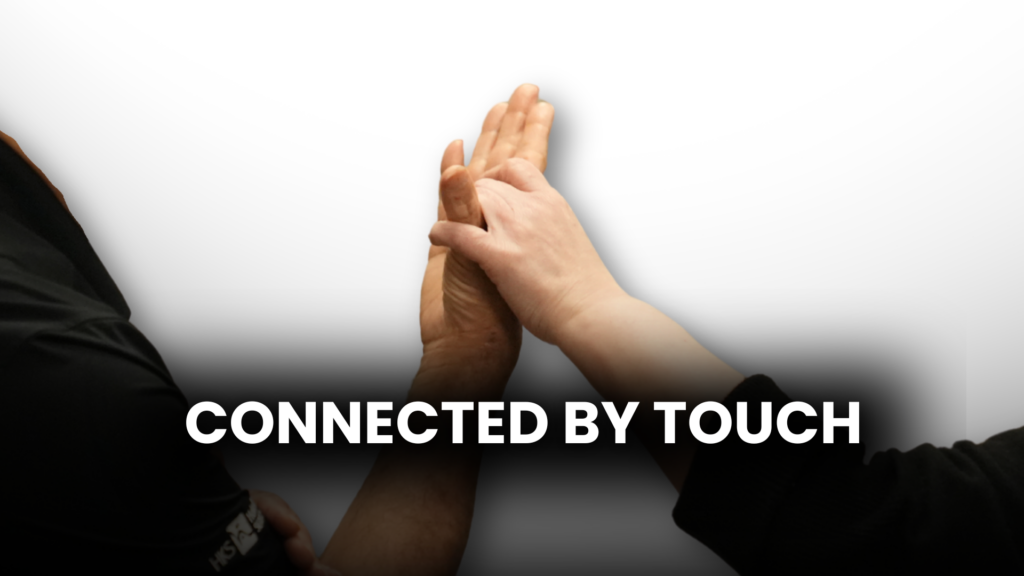
DeafBlind Awareness Week 2026 runs June 25 through July 1, in honor of Helen Keller’s birthday on June 27. This national advocacy campaign has been observed annually since 1984, when President Ronald Reagan issued a proclamation establishing this special week of recognition. The purpose of DeafBlind Awareness Week is to raise public awareness about individuals who have combined hearing and vision loss, a population that spans all ages, backgrounds, and communities across the country.
This year, Helen Keller National Center is proud to introduce the 2026 national campaign theme:
Connected by Touch: Breaking Barriers, Building Bridges.
Why Touch?
Touch is the foundation of connection for the DeafBlind community. From Protactile language, tactile sign language, and haptics to braille, assistive technology, and everyday interactions, touch is how DeafBlind individuals communicate, navigate, learn, work, and thrive.
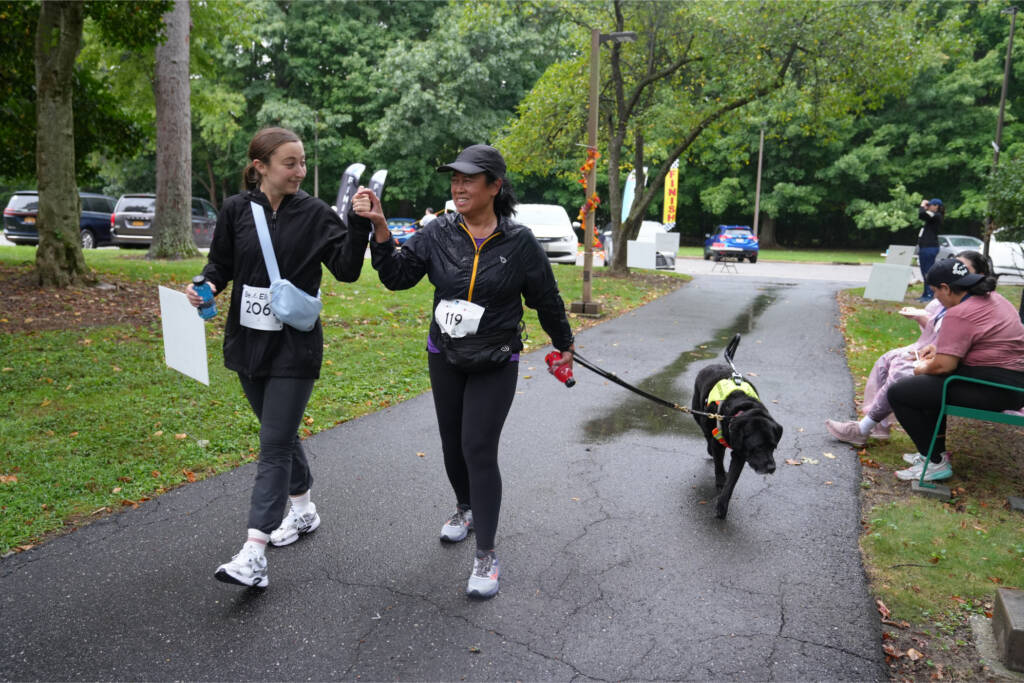
But the power of touch extends beyond the DeafBlind community. Touch builds bridges of understanding between DeafBlind individuals and the broader world. When professionals, providers, family members, and community members learn to connect through accessible communication and respectful interaction, barriers break down and doors open to fuller participation, deeper understanding, and genuine belonging.
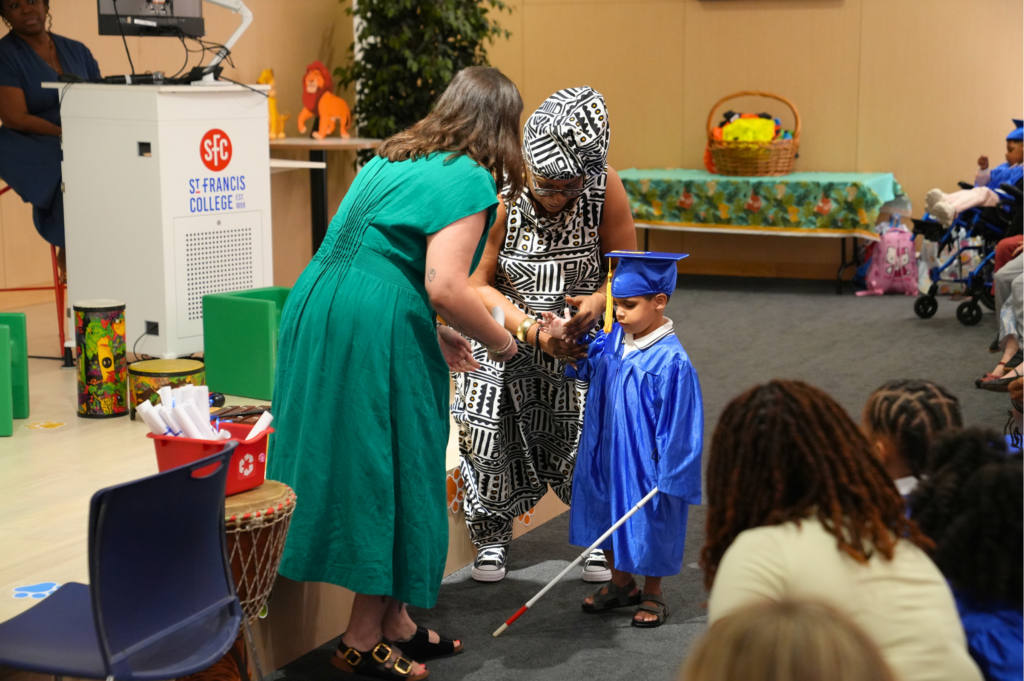
Each interaction, whether in a doctor’s office, classroom, workplace, or community space, is an opportunity to build a bridge and demonstrate that meaningful connection transcends traditional communication methods. This year’s campaign celebrates the transformative power of touch and the connections it makes possible across every space we share.
A Theme Shaped by the DeafBlind Community
The “Connected by Touch” theme was developed by HKNC’s 2026 DBAW Planning Committee, a group that included DeafBlind individuals and professionals who brought a wide range of perspectives to the table, from tactile communication and the role of technology in enabling access, to the diverse achievements of DeafBlind individuals across every role, to whole-life accessibility that extends well beyond the workplace into hobbies, daily living, and community involvement.
Request a Proclamation
One of the most impactful ways to recognize DeafBlind Awareness Week in your community is to request an official proclamation from your local elected officials. Proclamations raise public visibility, demonstrate official recognition of the DeafBlind community, and help establish DeafBlind Awareness Week as a recognized observance in your state, city, or region. Your advocacy makes a difference. Contact your Governor, Mayor, Town Supervisor, Congressperson, or other representatives to request a proclamation declaring June 25 through July 1, 2026, as DeafBlind Awareness Week.
Proclamation templates are ready to download now on the HKNC website, including a standard template and a Coalition/Co-Signatory Version for organizations submitting joint requests with partner agencies. Many Governor’s offices require four to eight weeks to process requests, so the time to act is now.
More Resources on the Way
The 2026 DBAW landing page is your campaign headquarters, and it will continue to grow through May 2026. Here is what is coming:
The 2026 Awareness Poster will be available for download and national mailing, with posters arriving at organizations in early May to give communities six to eight weeks of lead time before the awareness week begins. The poster will feature a montage of DeafBlind individuals in settings depicting diverse touch-based interactions across healthcare, education, the workplace, family, and community life. The physical poster will also include a braille component.
Webinars will offer interactive presentations on DeafBlind awareness, communication, and accessibility. Topics and dates will be announced as they are confirmed.
Profession-specific fact sheets are being developed for healthcare providers, educators, employers, and service providers, giving professionals practical guidance on how to communicate and interact effectively with DeafBlind individuals in their specific settings.
An event planning guide will provide a step-by-step toolkit for organizations and HKNC staff to host their own local DeafBlind Awareness Week events. A national events calendar will help you find DBAW events near you or submit your own.
Additional resources, including free online courses during the month of June and a social media toolkit with graphics, hashtags, and sample posts, will also be available as the campaign builds toward June. #DBAW2026
Get Involved
DeafBlind Awareness Week is an opportunity for everyone to learn, connect, and take action. Whether you are a VR professional planning a local event, a healthcare provider looking for ways to better serve DeafBlind patients, an educator creating more accessible classrooms, or a community member who simply wants to know more, the 2026 campaign has something for you.
Visit the DBAW 2026 landing page to download proclamation templates, explore what is available now, and bookmark the page as new resources go live through May.
About Helen Keller National Center
As the only national program exclusively serving individuals who are DeafBlind, Helen Keller National Center’s Comprehensive Vocational Rehabilitation Program welcomes participants to our Sands Point, New York campus for intensive person-centered training. Through personalized instruction in adaptive technology, communication, orientation and mobility, independent living, and vocational services, we prepare participants for meaningful employment and community independence. Our 11 regional offices extend this mission across all 50 states, providing direct services to individuals in their home communities while also training professionals and advancing the field through technical assistance and research initiatives that shape standards and strengthen capacity nationwide.